
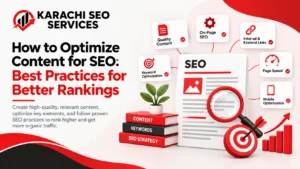
Creating content is only the first step. If people cannot find your content in search results or quickly understand it, even a well-written page may not deliver results.
SEO content optimization helps make your content useful for readers and easier for search engines to understand. It includes keyword research, search intent, content structure, internal linking, technical SEO, and regular updates.
The goal is not to fill a page with keywords. It is to create useful, relevant content that answers what people are searching for and supports your business goals.
What Is SEO Content Optimization?
SEO content optimization is the process of improving website content so it performs better in search engines while providing a good experience for your target audience.
It can involve optimizing blog posts, service pages, product descriptions, landing pages, images, and other content.
Effective optimization focuses on:
- Helping search engines understand the topic
- Providing accurate and useful information
- Improving visibility and organic traffic
- Supporting conversions and business goals
In simple terms, SEO content optimization connects what people search for with the information your website provides.
Why Is Content Optimization Important?
Publishing content does not guarantee rankings. Search engines have to determine which pages provide the most useful answer for a particular search.
Content optimization can help you:
- Improve organic search visibility
- Match content with search intent
- Make pages easier to read
- Build topical authority
- Increase engagement
- Generate qualified traffic
- Support conversions
A well-optimized page also gives visitors a clearer path to finding information and taking action.
How to Optimize Content for SEO
1. Conduct Keyword Research and Match Search Intent
Start by finding what your audience is searching for. Keyword research helps identify relevant terms and topics that can attract qualified visitors. Do not focus only on search volume. Consider relevance, competition, keyword difficulty, and conversion potential.
You should also understand search intent. Someone searching “what is SEO” wants information, while someone searching “SEO agency near me” may be ready to contact a business.
Always ask: What does the searcher want to find?
Then create content that directly satisfies that need.
2. Create High-Quality, Comprehensive Content
Simply using a keyword repeatedly will not make content rank. Your page needs to provide genuine value.
High-quality SEO content should be:
- Accurate and useful
- Original and relevant
- Easy to understand
- Comprehensive without unnecessary filler
- Supported by credible information
- Focused on the reader
Review competing pages to understand what users expect, but do not copy them. Look for missing information and provide additional value through examples, expert insights, original research, or practical advice.
3. Use Keywords Naturally
Include your primary keyword in important areas such as the title, introduction, and relevant headings when appropriate. Use secondary and related keywords to expand your topical coverage.
Avoid keyword stuffing. Repeating the same phrase unnaturally makes content difficult to read and can damage the user experience.
Instead, use natural variations and related concepts. Modern search engines can understand relationships between words and topics, so there is no need to force an exact keyword into every section.
4. Improve Content Structure and Readability
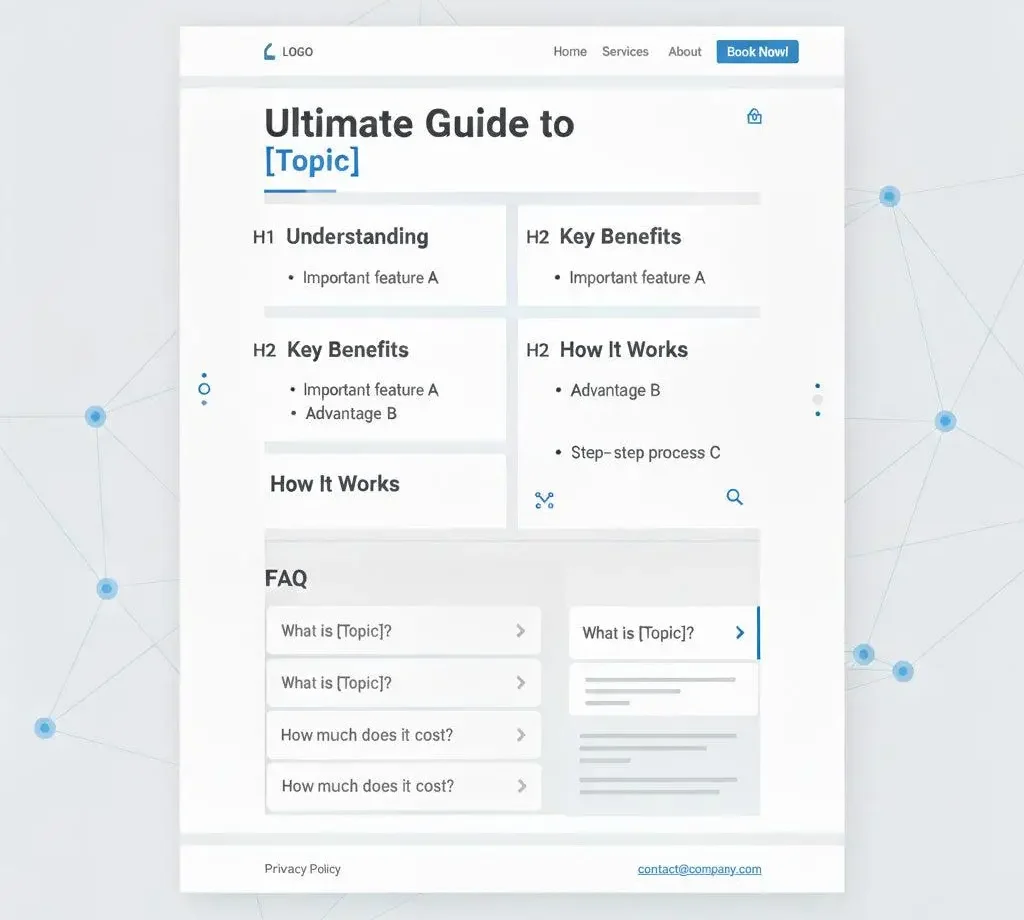
Online users often scan content before deciding whether to read it. Make your page easy to navigate with:
- Clear H1, H2, and H3 headings
- Short paragraphs
- Bullet points and lists
- Simple language
- Descriptive subheadings
- Tables where useful
Avoid large blocks of text. A logical structure helps readers find answers quickly and helps search engines understand the main topic and supporting sections.
5. Optimize Titles, Meta Descriptions, and URLs
Your title tag is one of the first elements users see in search results. Make it clear, relevant, and descriptive while naturally including the primary keyword.
A meta description should briefly explain what the page offers and give users a reason to click.
Keep URLs short and descriptive. For example:
example.com/how-to-optimize-content-for-seo/
is clearer than a URL containing unnecessary numbers or parameters.
6. Strengthen Internal and External Linking
Internal links connect pages within your website. They help users discover related content and help search engines understand your site’s structure and topic relationships.
Use descriptive anchor text and link to relevant pages naturally.
External links can support claims and provide readers with additional trustworthy resources. Use credible sources for statistics, research, official guidelines, and technical information.
The goal is to make links useful rather than simply adding as many as possible.
7. Optimize Images and Other Media
Images, videos, infographics, and other media can make content easier to understand and more engaging.
Use descriptive image filenames and meaningful alt text. Alt text supports accessibility and helps search engines understand images.
Avoid using alt text to stuff keywords. Describe what the image actually shows.
Compress large image files to improve page speed. For videos and podcasts, transcripts can also make content more accessible and provide additional context for search engines.
8. Add Schema Markup
Schema markup, or structured data, helps search engines understand specific information on your pages.
Depending on the content, useful schema types can include Article, Product, Organization, LocalBusiness, Breadcrumb, and Event.
Correctly implemented structured data can help eligible pages appear with enhanced search features. However, schema should accurately represent the content visible on the page.
9. Keep Content Fresh and Updated
SEO does not end after publishing. Information changes, links break, and competitors may create better resources.
Regularly review important pages and update:
- Outdated facts and statistics
- Broken links
- Old examples or screenshots
- Missing topics
- Calls to action
- Information that no longer matches search intent
Focus on meaningful improvements rather than simply changing the publication date.
10. Build Topical Authority
Create connected content around the topics that matter to your audience as part of an SEO content strategy instead of publishing unrelated articles.
A pillar page can cover a broad subject, while supporting pages explore specific subtopics. Internal links can connect these pages into a content cluster.
For example, an SEO website could have a main SEO guide supported by pages about keyword research, technical SEO, local SEO, internal linking, and content optimization.
This helps users explore a subject and demonstrates broader topical coverage.
Technical SEO for Content Optimization
Even excellent content can struggle if technical issues prevent search engines from accessing or understanding it.
Mobile Optimization
Make sure your content works properly on phones, tablets, and desktops. Use responsive design, readable text, accessible navigation, and properly sized images.
Page Speed and Core Web Vitals
Slow pages can frustrate visitors. Compress images, reduce unnecessary code, use caching, and improve overall loading performance.
Core Web Vitals also measure important aspects of page experience, including loading, responsiveness, and visual stability.
Crawlability and Indexing
Search engines need to crawl and index your pages before they can appear in search results. Check for crawl errors, broken links, blocked resources, and other technical problems.
Canonical Tags and Duplicate Content
When similar versions of a page exist, canonical tags can help search engines identify the preferred URL and reduce confusion around duplicate content.

How to Optimize Content for AI Search
AI-powered search systems are changing how people discover information. Content should therefore be easy for both users and machines to understand.
Use Clear, Direct Answers
Answer important questions directly instead of hiding the main point in long paragraphs. Clear definitions, lists, and well-organized sections make information easier to understand and retrieve.
Strengthen Semantic and Entity Relevance
Use relevant entities, concepts, products, tools, organizations, and terminology consistently. Cover related concepts instead of focusing on a single keyword.
This helps search systems understand the context and meaning of your content.
Add Credible Sources and Original Insights
Support important claims with reliable sources. Expert opinions, original research, practical experience, and unique examples can make your content more valuable and trustworthy.
How to Measure SEO Content Performance
SEO content should be measured using actual performance data.
Rankings, Traffic, and CTR
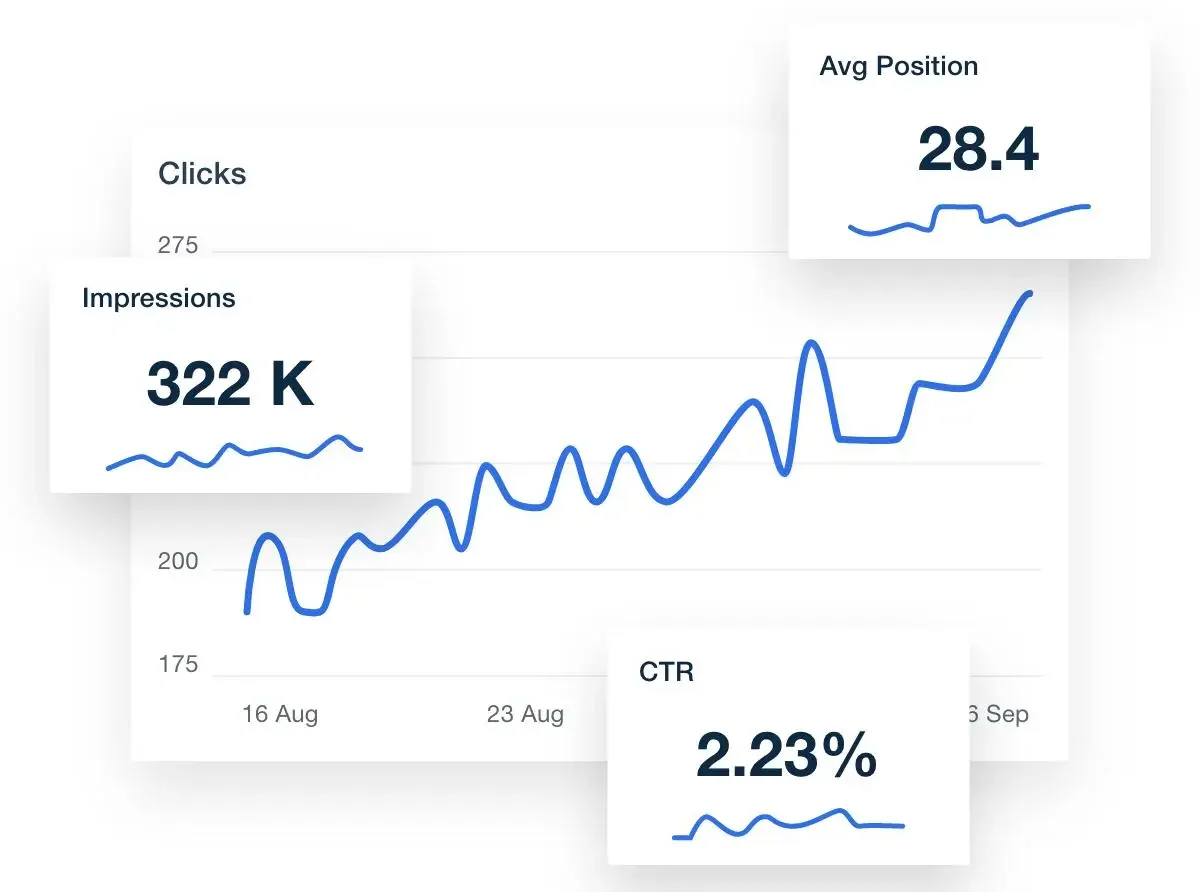
Google Search Console can help you monitor impressions, clicks, click-through rate, and average search position. Organic traffic shows whether your content is attracting visitors.
Engagement and Conversions
Traffic is not the only goal. Monitor engagement and conversions such as form submissions, purchases, downloads, signups, and consultation requests.
Content Audits and Updates
Regularly review pages that are losing traffic, ranking on page two, receiving impressions but few clicks, or failing to generate conversions.
Prioritize pages where targeted improvements can create the biggest impact.
SEO Content Optimization Checklist
Before publishing or updating content, check that:
- The keyword matches search intent
- Content provides genuine value
- Keywords are used naturally
- Headings and paragraphs are easy to scan
- Title, meta description, and URL are optimized
- Relevant internal and external links are included
- Images have descriptive alt text
- Appropriate schema is implemented
- The page works well on mobile
- Technical SEO issues are addressed
- Information is accurate and current
- The content supports a clear business goal

Frequently Asked Questions
What are the best SEO content optimization practices?
The best practices include matching search intent, using relevant keywords naturally, creating helpful content, improving readability, optimizing headings and meta tags, adding internal links, and keeping content updated.
What is search intent in SEO?
Search intent is the reason behind a user’s search. It helps you understand whether they want information, a specific website, a product, or a service. Your content should match that intent.
How often should SEO content be updated?
Update SEO content when information becomes outdated, rankings decline, search intent changes, or new information becomes available. Regular content audits can help identify pages that need improvement.
How do you balance SEO and user experience?
Write for people first while following SEO best practices. Use natural keywords, clear headings, short paragraphs, useful information, fast loading times, and mobile-friendly design to make content easy to read and find.