
Search is changing. People are no longer using only Google to find information. They are also asking AI tools like ChatGPT questions and expecting direct, useful answers.
This creates a new opportunity for businesses. Instead of only trying to rank on traditional search engines, you can also optimize your website for AI search and increase the chances of being mentioned or cited in AI-generated answers.
This process is often called Generative Engine Optimization (GEO) or AI Search Optimization.
There is no guaranteed way to make ChatGPT mention a particular website. However, creating useful, trustworthy, well-structured content and making your website accessible to AI search crawlers can improve your chances of being discovered and cited.
Why AI Search is Changing SEO
Traditional SEO mainly focuses on improving visibility in search engine results. AI search adds another layer because platforms can understand questions, combine information from different sources, and provide direct answers.
This means simply ranking for a keyword may no longer be the only goal. Your content should also clearly answer questions and provide useful information that AI systems can understand and potentially reference.
A strong SEO content marketing approach can help create informative, structured, and valuable content that works well for both search engines and AI-powered platforms.

How ChatGPT Finds and Chooses Content
Training Data vs. Live Web Search
ChatGPT can answer using information learned during model training, but when web search is used, it can access current information from the internet and cite web sources.
For businesses, this distinction matters. You should not assume that simply publishing a page will instantly make it appear in ChatGPT. Your website needs to be discoverable, accessible, relevant, and useful.
What Makes a Website Trustworthy to AI?
AI systems are more likely to use information that appears reliable, useful, and relevant to a user’s question.
Important trust signals include:
- Accurate and original information
- Clear authorship and expertise
- Regularly updated content
- Strong backlinks from reputable websites
- Consistent business information
- Positive reviews and brand mentions
- Clear website structure
- Relevant supporting content
Professional SEO services can help improve many of these areas as part of a broader search visibility strategy.
1. Make Your Website AI-Friendly
Allow AI Crawlers
Make sure your website does not accidentally block relevant AI crawlers.
OpenAI recommends allowing OAI-SearchBot to access content that website owners want available for ChatGPT search. Check your robots.txt and security settings to ensure important pages are accessible.
Get Indexed in Google and Bing
Search engine visibility still matters. Make sure your important pages can be crawled and indexed by search engines.
However, being indexed by Google or Bing does not guarantee that ChatGPT will mention your website.
Optimize robots.txt and XML Sitemap
Your robots.txt should allow access to important content while blocking areas that should not be crawled.
Keep your XML sitemap updated and include only useful, indexable URLs.
Improve Website Speed and Crawlability
A fast, mobile-friendly website provides a better experience for users and crawlers.
Improve page speed, navigation, internal linking, and crawlability. Avoid making important content dependent entirely on complicated scripts.
2. Create Content AI Wants to Reference
Write Clear and Conversational Content
Write naturally, just as you would explain something to a customer.
Avoid keyword stuffing and use related terms, entities, examples, and useful information to provide context.
Answer Questions Directly
If your page targets a question, answer it clearly near the beginning.
For example, if your topic is “What is GEO?”, provide a simple definition first and then explain the topic in more detail.
Use an Answer-First Format
Give readers the answer before adding supporting details.
Use short paragraphs, bullet points, examples, statistics, and practical steps. This makes your content easier for both people and AI systems to understand.
Focus Each Page on One Topic
Each page should have a clear purpose and search intent.
Instead of covering many unrelated topics on one page, create focused content that provides strong information about a specific subject.
Keep Content Fresh and Updated
Regularly update important content, especially pages covering technology, prices, products, regulations, or trends.
Update outdated statistics, links, examples, and recommendations when necessary.
3. Structure Your Content for AI
Use Clear Headings and Short Paragraphs
Use descriptive headings and short paragraphs to break up your content.
Include your main keyword naturally along with related terms and concepts.
Use Lists, Tables, and FAQs
Lists, tables, and FAQs make information easier to scan and understand.
They also help you cover related questions and search intent without creating unnecessary pages.
Implement Relevant Schema Markup
Use relevant structured data such as Organization, Article, BlogPosting, Product, FAQPage, or LocalBusiness schema when appropriate.
Schema helps search engines understand your content, but it does not guarantee ChatGPT citations.
Strengthen Internal Linking
Connect related pages using descriptive anchor text.
For example, a GEO article can link naturally to content about Semantic SEO, AI Search Optimization, or Content Marketing.
4. Build Brand Authority
Strengthen E-E-A-T Signals
E-E-A-T is a Google framework, but its principles are useful for building a trustworthy website.
Show who created your content, provide author information, demonstrate experience, and make your business details easy to verify.
Earn High-Quality Backlinks
Focus on earning links from relevant and reputable websites.
Original research, useful guides, expert content, and valuable resources can naturally attract backlinks.
Build Brand Mentions and PR Coverage
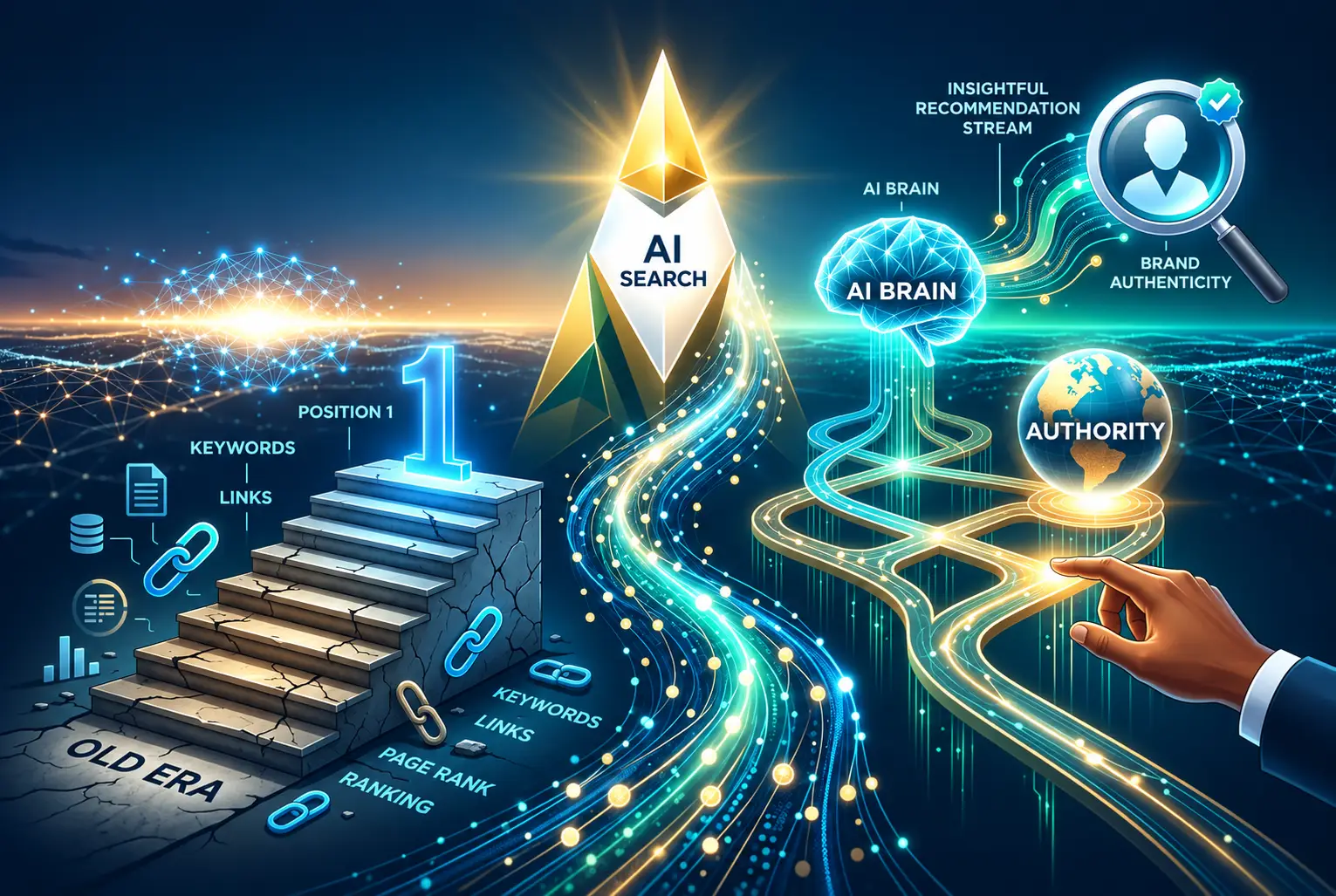
Your website is not the only place where your brand can build authority.
Mentions from reputable publications, industry websites, directories, communities, and other trusted sources can strengthen your online presence.
Grow Reviews and Social Proof
Genuine customer reviews can build trust, especially for local businesses.
Keep your business name, services, contact information, and other important details consistent across relevant platforms.
5. Improve Your AI Search Visibility
Target Conversational Search Queries
People often ask AI tools complete questions instead of short keywords.
Create content around questions such as:
- How do I optimize my website for AI search?
- How does ChatGPT choose websites?
- What is Generative Engine Optimization?
- How can I improve my visibility in AI answers?
Create Comparison and Problem-Solving Content
Comparison articles, guides, and problem-solving content can perform well because users often turn to AI tools when they need help making a decision.
For example, businesses can create content comparing different platforms, strategies, or services. An e-commerce business could discuss topics related to e-commerce SEO, product optimization, technical issues, and online store growth.
Test Your Brand in ChatGPT
Search your brand and important industry questions in ChatGPT.
Check whether your brand is mentioned, which competitors appear, what sources are cited, and where your content may be missing.
This can reveal opportunities for better AI Discovery and content creation.
Monitor AI Mentions, Citations, and Traffic
Traditional SEO tracks rankings and organic traffic. AI search requires additional metrics.
Monitor brand mentions, citations, AI visibility, referral traffic, share of voice, and sentiment where possible.
Common Mistakes to Avoid
Blocking AI Crawlers
If OAI-SearchBot cannot access your content, your pages may not be available for ChatGPT search inclusion. Check robots.txt and other security settings carefully.
Keyword Stuffing
Repeating the same keyword again and again makes content difficult to read and can weaken its quality.
Write naturally and cover the topic comprehensively using relevant terms and entities.
Publishing Thin or Outdated Content
Short content with little original value is unlikely to provide strong answers.
Focus on useful information, real expertise, examples, supporting evidence, and regular updates.
Hiding Important Information in Images
Do not place essential explanations, prices, specifications, or answers only inside images.
Keep important information available as readable page text so users and crawlers can access it more easily.
Ignoring Technical SEO
Great content cannot perform well if your website has serious technical problems.
Check indexing, crawlability, broken links, mobile usability, page speed, canonical tags, internal linking, robots.txt, and XML sitemap issues regularly.
Final Checklist for ChatGPT Optimization
Before optimizing your website for AI search, check that you:
- Allow relevant AI crawlers to access your content
- Keep important pages indexable
- Maintain a clean robots.txt and XML sitemap
- Improve website speed and crawlability
- Answer questions directly
- Use clear headings and short paragraphs
- Keep each page focused on one main topic
- Add relevant schema markup
- Strengthen internal linking
- Build brand authority and quality backlinks
- Earn genuine brand mentions and reviews
- Keep important content fresh
- Test your brand visibility in ChatGPT
- Track mentions, citations, and AI referral traffic
Frequently Asked Questions
How Do I Get My Website Featured in ChatGPT?
Create helpful, accurate, and well-structured content that answers real user questions. Make sure your website is crawlable, technically sound, and accessible to relevant AI crawlers. Building strong brand authority through backlinks, reviews, and trusted mentions can also improve your overall visibility.
How Does ChatGPT Choose Websites to Cite?
When ChatGPT uses web search, it can find and evaluate information from multiple sources before generating an answer. Relevance, useful content, credibility, and how well a page answers the user’s question can influence which sources are referenced. There is no guaranteed ranking formula for citations.
Does ChatGPT Use Google or Bing?
ChatGPT Search can use search providers and web sources to find current information. The exact sources and process can vary depending on the question, so being visible in traditional search can help with discoverability, but it does not guarantee a ChatGPT citation.
Does SEO Help Websites Appear in ChatGPT?
Yes, strong SEO fundamentals can support AI visibility. Good technical SEO, crawlability, useful content, clear structure, backlinks, and topical authority make your website easier to discover and understand. However, traditional Google rankings do not automatically translate into ChatGPT visibility.
How Do I Optimize My Website for AI Search?
Focus on GEO and AI Search Optimization by creating clear, conversational, answer-focused content. Use descriptive headings, structured data, internal links, fresh information, and trustworthy sources. Also monitor your brand in AI answers to identify content and visibility gaps.