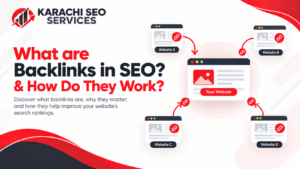
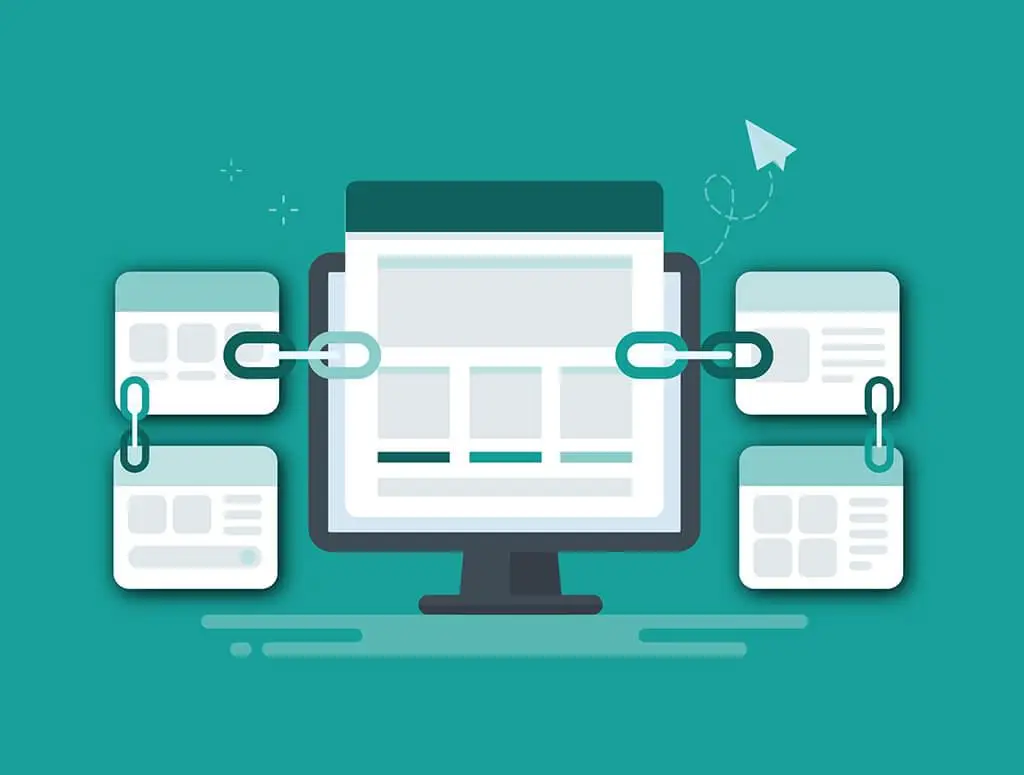
Backlinks are links from one website to a page on another website. A backlink in SEO acts as an external signal that can help search engines evaluate a page’s authority, relevance, and usefulness. Backlinks can bring referral visitors, support organic search visibility, and strengthen a website’s overall link profile.
For businesses, backlinks form a major part of off-page SEO. The goal is to earn relevant, trustworthy links that make sense for your industry and give users a genuine reason to visit your page. Karachi SEO Services applies this principle to authority-focused SEO campaigns. Quality matters more than volume.
What Is a Backlink in SEO?
A backlink in SEO is an inbound link from an external website to a page on your website. When Website A links to Website B, Website B receives a backlink from Website A.
For example, an industry publication can publish an article about local SEO and link to your guide about Google Business Profile optimization. The publication provides the backlink, while your guide becomes the linked destination.
Backlinks differ from internal links because internal links connect pages within the same domain. External links connect one domain to another, and the incoming direction makes the external link a backlink for the receiving website.
How Do Backlinks Work?
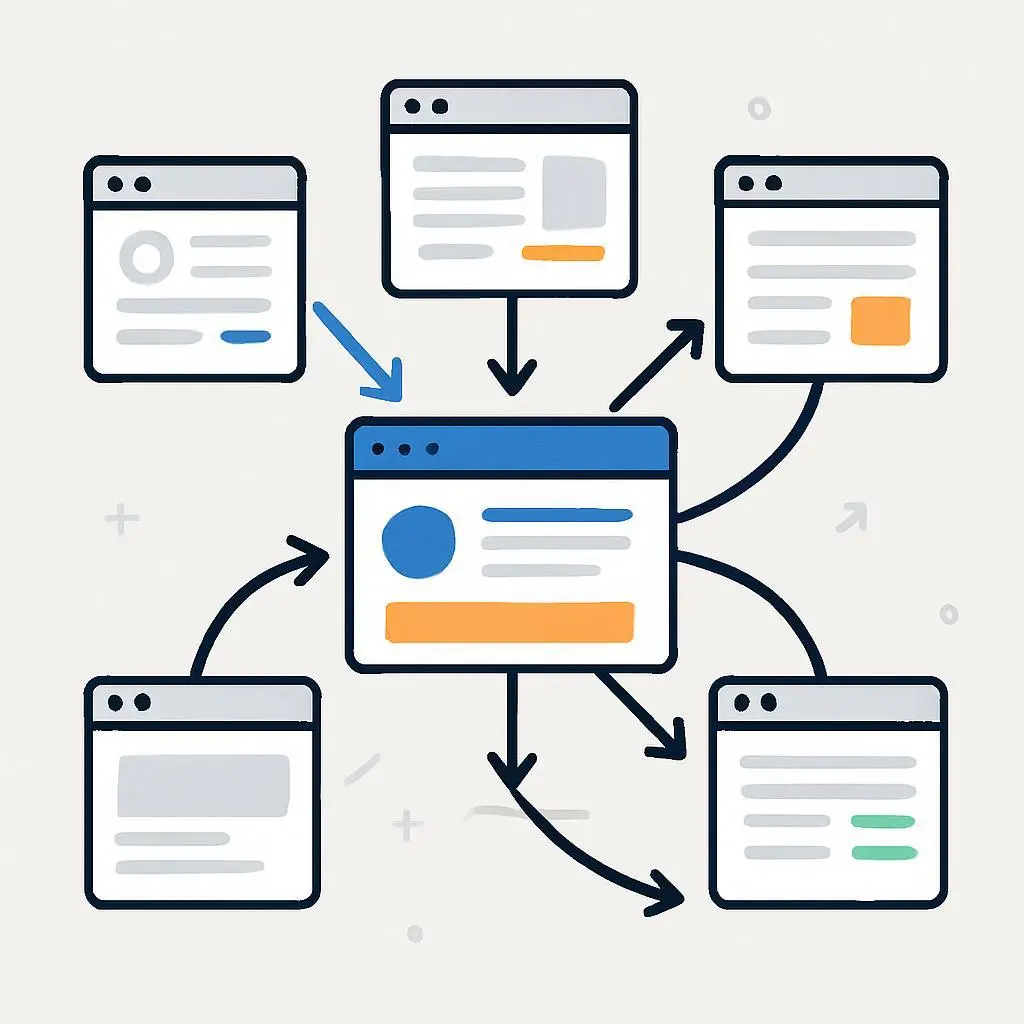
Backlinks work by creating connections between websites that search engines can discover and evaluate. A search engine crawler can follow a link from one page to another, discover the destination URL, and use surrounding information to understand the relationship between the two pages.
A relevant editorial link from a trusted publication generally provides stronger SEO value than a random link from an unrelated website.
Backlinks do not guarantee rankings. Search engines evaluate numerous signals when determining search results, so a backlink should support a broader SEO strategy that includes useful content, technical SEO, on-page optimization, and strong internal linking.
Why Are Backlinks Important for SEO?
Backlinks matter because they can strengthen authority, help search engines discover content, and generate relevant referral traffic. A quality backlink can connect your website with an established audience while providing search engines with additional evidence about your content.
Backlinks can support four important outcomes:
- Authority: Links from credible, relevant websites can strengthen your website’s external authority signals.
- Discovery: Search engine crawlers can use links to discover pages and resources.
- Referral traffic: Visitors can click a backlink and reach your website directly.
- Visibility: Strong links can support pages that compete for valuable organic search queries.
The value comes from the quality and context of backlinks, not simply the total number.
What Makes a Backlink Valuable?
A valuable backlink is relevant, trustworthy, editorially justified, and placed where users can benefit from the linked resource. A link becomes stronger when the referring page covers a related subject and the destination genuinely supports that subject.
Consider a website that sells accounting software. A backlink from a respected finance publication discussing accounting technology is highly relevant. A link from an unrelated website about home decoration provides little topical connection.
A useful evaluation includes:
- Topical relevance: Does the referring page discuss a subject related to your page?
- Website credibility: Does the referring website publish trustworthy, useful content?
- Editorial context: Does the link naturally support information on the page?
- Destination quality: Does your linked page satisfy the visitor’s intent?
- Referral potential: Can the backlink attract genuinely interested visitors?

Domain-level metrics from tools such as Ahrefs or Semrush can help with prospect evaluation, but third-party authority scores are not Google ranking metrics.
What Is the Difference Between Backlinks and Internal Links?
Backlinks come from other websites, while internal links connect pages on your own website. A backlink may support external authority signals, while an internal link helps search engines and visitors navigate your site structure.
For example, a marketing blog linking to your SEO services page uses an internal link when both pages belong to your domain. A business magazine linking to the same SEO services page creates a backlink.
Internal and external links work together. Internal links distribute contextual connections across your website, while backlinks establish relationships between your website and other domains.
What Are the Main Types of Backlinks?
The main backlink categories include editorial links, guest-contributed links, directory links, resource links, and links with different attribution attributes. The SEO value of each backlink depends on relevance, context, editorial control, and the quality of the referring source.
Editorial Backlinks
Editorial backlinks occur when a publisher naturally references your research, guide, service, data, or original resource. These links often provide strong value because the publisher chooses your content as a useful source.
Guest-Contributed Backlinks
A guest contribution can include a relevant link to your website when the link genuinely supports the article. Guest posting becomes risky when publishers use low-quality sites, repetitive content, or manipulative link placement solely to influence rankings.
Resource Page Backlinks
Resource pages collect useful references for a particular subject. Your page can earn a resource link when your content provides a credible and relevant solution.
Directory and Citation Backlinks
Business directories and local citations can help establish business information and visibility, especially for local SEO. Prioritize reputable, relevant directories instead of submitting a website to large numbers of low-quality directories.
No follow, Sponsored, and UGC Links
Links can include attributes such as no follow, sponsored, or ugc. These attributes provide search engines with information about the relationship between the publisher and the link. A no follow link can still generate referral traffic and brand exposure.
How Do You Get Quality Backlinks?
You get quality backlinks by publishing resources that deserve references and promoting those resources to relevant publishers, businesses, journalists, and organizations.A strong SEO content strategy helps identify the topics and resources most likely to attract useful references.
Five practical methods can support acquisition:
- Publish original research, statistics, surveys, calculators, tools, or comprehensive resources.
- Create expert guides that answer important questions better than existing resources.
- Build relationships with relevant publishers and industry organizations.
- Pitch useful content to journalists when your expertise or data supports a current story.
- Claim legitimate business, supplier, professional association, and local directory listings.
The strongest outreach focuses on the publisher’s audience. Instead of asking for a link without context, explain why your resource improves the target page or gives readers additional information.
What Is the Role of Anchor Text?
Anchor text is the clickable wording used in a hyperlink, and anchor text helps describe the linked page to users and search engines. Relevant wording can provide useful context, but excessive keyword-focused anchors can create an unnatural backlink profile.
For example, a backlink to a page about technical SEO can use “technical SEO services” when the phrase accurately describes the destination. Other natural anchors might include the company name, page title, branded wording, or a descriptive phrase.
Do not manipulate anchor text across external placements. Let publishers use wording that fits their editorial style and accurately represents the linked resource.
What Is Link Authority and PageRank?
PageRank is Google’s link-analysis system that evaluates relationships between pages through links, while modern Google ranking uses many additional systems and signals. PageRank was important to Google’s original approach because links helped identify relationships and relative importance across the web.
A backlink from a well-established page can carry more potential value than a link from a weak or unrelated page. However, website owners cannot determine the exact PageRank value of an individual backlink through Google’s public tools.
Do More Backlinks Always Mean Better Rankings?
No, more backlinks do not automatically produce better rankings. Search engines evaluate backlink quality, relevance, context, and other ranking signals, so hundreds of weak or irrelevant links can be less useful than a smaller number of strong references.
A backlink profile should contain links that make sense for the website’s industry and audience. Sudden acquisition from unrelated sites, automated link networks, paid schemes that violate search engine guidelines, and large-scale manipulative placements can create SEO risks.
Focus on sustainable authority rather than an arbitrary backlink target.
How Do You Build a Safe Backlink Strategy?
A safe backlink strategy prioritizes relevance, editorial value, natural acquisition, and long-term usefulness. Start by defining pages that need authority, then create or improve resources that deserve references.
Research relevant referring domains and separate strong prospects from low-quality websites. Prioritize publications, organizations, businesses, associations, and communities that serve an audience related to your subject.
Use digital public relations, expert contributions, resource outreach, original research, partnerships, and legitimate citations. Avoid automated link generation, private link networks, irrelevant guest-post campaigns, and paid links designed to manipulate rankings.
A strong strategy should create business value even when a prospect does not provide a backlink.
How Can You Find and Audit Backlinks?
You can audit backlinks with tools such as Google Search Console, Ahrefs, and Semrush. Start by reviewing referring domains, linked pages, anchor text, link attributes, and the relevance of referring sources.
Google Search Console provides a useful view of links that Google associates with your website. Ahrefs and Semrush provide broader backlink databases and competitive analysis features.
During an audit, identify valuable links, lost links, suspicious patterns, irrelevant domains, broken destination URLs, and pages that receive strong external references. Use the findings to protect useful links, recover lost opportunities, and improve your link acquisition priorities.
What Backlinks Should You Avoid?
Avoid backlinks created primarily to manipulate search rankings rather than provide genuine value to users. Risky patterns include automated link networks, large-scale low-quality directory submissions, irrelevant paid placements that pass ranking credit, comment spam, and private blog networks.
Not every low-quality link requires removal. Websites naturally receive unwanted or irrelevant links over time. Review suspicious patterns before taking action, and use Google’s current guidance when a backlink profile raises a serious concern.
The best defense remains a useful website with relevant content and a backlink acquisition process based on genuine relationships and editorial value.
Conclusion
Backlinks remain an important part of SEO because external links help search engines understand relationships, authority, and relevance across the web. The strongest backlink strategy focuses on quality, topical relevance, editorial context, and genuine business value.
Build linkable resources, develop relevant relationships, promote useful content, audit your backlink profile, and avoid manipulative schemes. Quality backlinks can support stronger organic visibility, referral traffic, and long-term authority when backlinks form part of a complete SEO strategy that contributes to overall business growth through SEO.
Frequently Asked Questions
Do backlinks still matter in 2026?
Yes, backlinks still matter in 2026 because links remain part of how search engines evaluate relationships, authority, and relevance between webpages. Quality backlinks can support rankings, discovery, referral traffic, and credibility, although backlinks work alongside content quality, technical SEO, and other ranking signals.
How many backlinks do I need to rank my website?
There is no fixed number of backlinks required to rank a website. Competitive queries may require stronger authority than less competitive queries, while relevance and quality can matter more than volume. Analyze competing pages, referring domains, content quality, and search intent before setting targets.
How can I gain backlinks for my website?
You can gain backlinks by publishing original research, useful tools, expert resources, and data-driven content that relevant websites want to reference. Build relationships with publishers, industry organizations, journalists, suppliers, and legitimate directories, then promote resources through relevant outreach.
Can you give me an example of a backlink?
A backlink example is a news website linking to your company’s research article from an editorial story. The news website creates the external link, your article receives the backlink, and readers can click the link to visit your website directly.
How many types of backlinks are in SEO?
SEO has several backlink categories rather than one fixed number of types. Common categories include editorial links, resource links, guest-contributed links, directory links, and links marked as no follow, sponsored, or user-generated content. Backlink quality depends on relevance, context, source quality, and purpose.
What are good backlinks?
Good backlinks come from relevant, trustworthy websites where the link provides genuine value to readers. Strong examples include editorial references, industry publications, respected associations, relevant local organizations, credible resource pages, and legitimate business citations that naturally connect to your website’s content.